Buy s44.eu ?
We are moving the project
s44.eu .
Are you interested in purchasing the domain
s44.eu ?
domain@kv-gmbh.de · 0541-91531010
Buy s44.eu ?
What is the difference between chlorine and chlorine dioxide?
Chlorine is a chemical element with the symbol Cl and is a strong oxidizing agent commonly used for disinfection purposes. Chlorine dioxide, on the other hand, is a chemical compound with the formula ClO2 and is also used as a disinfectant but is considered to be a more effective and safer alternative to chlorine. Chlorine dioxide is a yellow to reddish gas at room temperature, while chlorine is a greenish-yellow gas. Additionally, chlorine dioxide is less likely to form harmful byproducts compared to chlorine. **
Why do two chlorine atoms combine to form a chlorine molecule?
Two chlorine atoms combine to form a chlorine molecule because each chlorine atom has seven electrons in its outer shell, making them highly reactive and likely to form a covalent bond. By sharing one electron each, the two chlorine atoms can achieve a stable electron configuration with a full outer shell of eight electrons, similar to the noble gas configuration. This sharing of electrons allows the two atoms to become more stable and lower their overall energy, forming a strong bond between them. **


Similar search terms for Chlorine
Top-Angebote
Products related to Chlorine:
-
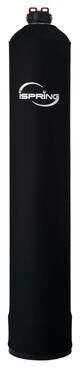
iSpring WCF200K Whole House Water Filter, Reduces Chlorine & PFASAdvanced Filter Media: Utilizes premium KDF55 and high quality coconut shell activated carbon to effectively remove chlorine, lead, heavy metals, PFAS, chloramine, radon, herbicides, and more.2863,79 $*Shipping: 0,00 $Secure redirect to the provider
-
iSpring WF1054 Whole House Water Filter, Reduces PFAS & ChlorineSuperior Water Filtration Technology: Harness the potential of the iSpring WF1054 whole house water filtration system, uniting high-quality KDF and coconut shell activated carbon.1270,99 $*Shipping: 0,00 $Secure redirect to the provider
-
iSpring WF1024 Whole House Water Filter, Reduces PFAS & ChlorineCutting-Edge Water Filtration: Encounter the exceptional iSpring WF1024 whole house water filtration system, integrating the potent combination of premium KDF and coconut shell activated carbon.812,49 $*Shipping: 0,00 $Secure redirect to the provider
-
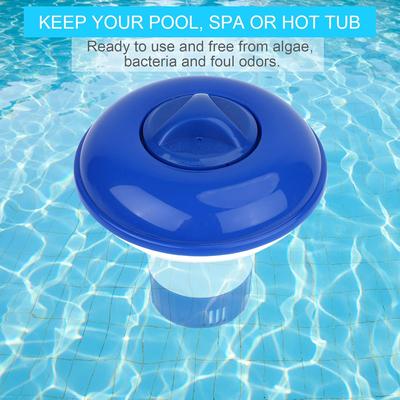
The Handy Homestead Adjustable Floating Chlorine Dispenser For Pools Spas And Hot Tubs Adjustable Floating Chlorine Dispenser For Pools Spas And Hot TubsKeep your water cleaner, clearer, and swimready with less daily effort. This floating chlorine dispenser slowly releases tablets as it moves across the water, helping maintain balanced sanitation in pools, spas, and hot tubs. Designed for easy use,...29,97 $*Shipping: 0,00 $Secure redirect to the provider


-
Does chlorine damage hair?
Chlorine can damage hair by stripping away its natural oils, leading to dryness and brittleness. It can also cause the hair cuticle to become rough and frayed, making the hair more prone to breakage and split ends. To minimize damage from chlorine, it is recommended to wet the hair with clean water before swimming, use a swim cap, and rinse the hair thoroughly with fresh water after swimming to remove chlorine residue. Additionally, using a clarifying shampoo or deep conditioning treatment can help restore moisture and repair any damage caused by chlorine exposure. **
-
What are chlorine vapors?
Chlorine vapors are the gaseous form of chlorine, a highly reactive and toxic chemical element. These vapors are produced when chlorine gas evaporates into the air. Inhalation of chlorine vapors can cause irritation to the respiratory system, eyes, and skin, and can be harmful or even fatal in high concentrations. Chlorine vapors are commonly used in disinfectants, bleaches, and water treatment processes. **
-
How is chlorine inhaled?
Chlorine can be inhaled when it is released into the air as a gas. This can happen when chlorine-containing products, such as bleach or cleaning agents, are used in poorly ventilated areas. Inhaling chlorine gas can irritate the respiratory system, causing symptoms such as coughing, chest tightness, and difficulty breathing. It is important to always use chlorine products in well-ventilated areas to minimize the risk of inhaling the gas. **
-
Why doesn't chlorine dissolve?
Chlorine is a gas at room temperature and pressure, and it does not dissolve in water because it is not polar. Water is a polar molecule, meaning it has a positive and negative end, which allows it to dissolve other polar substances. However, chlorine is nonpolar, so it does not interact with water molecules in a way that allows it to dissolve. Instead, chlorine reacts with water to form a mixture of hydrochloric acid and hypochlorous acid. **


How is chlorine used?
Chlorine is commonly used for disinfection in water treatment plants to kill bacteria, viruses, and other microorganisms. It is also used in the production of a wide range of products including plastics, solvents, pesticides, and pharmaceuticals. In addition, chlorine is used in the production of bleach for cleaning and disinfecting purposes. Overall, chlorine plays a crucial role in maintaining public health and safety, as well as in various industrial processes. **
Is chlorine an alkane?
No, chlorine is not an alkane. Chlorine is a chemical element with the symbol Cl and atomic number 17. It is a member of the halogen group and exists as a diatomic molecule (Cl2) in its natural state. Alkanes, on the other hand, are a group of hydrocarbons with single bonds between carbon atoms and are not related to chlorine. **
Top-Angebote
Products related to Chlorine:
-
Uplift Essentials Industrial Grade Tibialis Anterior Exercise Equipment (Tib Bar) Industrial Grade Tibialis Anterior Exercise Equipment (Tib Bar)"Strengthen the lower body and improve athletic performance with this professionalgrade Tib Bar, engineered to target the oftenneglected tibialis anterior muscle. Acting as a ""divine tool"" for injury prevention and explosive speed, this trainer..."221,97 $*Shipping: 0,00 $Secure redirect to the provider
-
iSpring WCF200K Whole House Water Filter, Reduces Chlorine & PFASAdvanced Filter Media: Utilizes premium KDF55 and high quality coconut shell activated carbon to effectively remove chlorine, lead, heavy metals, PFAS, chloramine, radon, herbicides, and more.2863,79 $*Shipping: 0,00 $Secure redirect to the provider
-
iSpring WF1054 Whole House Water Filter, Reduces PFAS & ChlorineSuperior Water Filtration Technology: Harness the potential of the iSpring WF1054 whole house water filtration system, uniting high-quality KDF and coconut shell activated carbon.1270,99 $*Shipping: 0,00 $Secure redirect to the provider
-
What is the difference between chlorine and chlorine dioxide?
Chlorine is a chemical element with the symbol Cl and is a strong oxidizing agent commonly used for disinfection purposes. Chlorine dioxide, on the other hand, is a chemical compound with the formula ClO2 and is also used as a disinfectant but is considered to be a more effective and safer alternative to chlorine. Chlorine dioxide is a yellow to reddish gas at room temperature, while chlorine is a greenish-yellow gas. Additionally, chlorine dioxide is less likely to form harmful byproducts compared to chlorine. **
-
Why do two chlorine atoms combine to form a chlorine molecule?
Two chlorine atoms combine to form a chlorine molecule because each chlorine atom has seven electrons in its outer shell, making them highly reactive and likely to form a covalent bond. By sharing one electron each, the two chlorine atoms can achieve a stable electron configuration with a full outer shell of eight electrons, similar to the noble gas configuration. This sharing of electrons allows the two atoms to become more stable and lower their overall energy, forming a strong bond between them. **
-
Does chlorine damage hair?
Chlorine can damage hair by stripping away its natural oils, leading to dryness and brittleness. It can also cause the hair cuticle to become rough and frayed, making the hair more prone to breakage and split ends. To minimize damage from chlorine, it is recommended to wet the hair with clean water before swimming, use a swim cap, and rinse the hair thoroughly with fresh water after swimming to remove chlorine residue. Additionally, using a clarifying shampoo or deep conditioning treatment can help restore moisture and repair any damage caused by chlorine exposure. **
-
What are chlorine vapors?
Chlorine vapors are the gaseous form of chlorine, a highly reactive and toxic chemical element. These vapors are produced when chlorine gas evaporates into the air. Inhalation of chlorine vapors can cause irritation to the respiratory system, eyes, and skin, and can be harmful or even fatal in high concentrations. Chlorine vapors are commonly used in disinfectants, bleaches, and water treatment processes. **
Similar search terms for Chlorine
-
iSpring WF1024 Whole House Water Filter, Reduces PFAS & ChlorineCutting-Edge Water Filtration: Encounter the exceptional iSpring WF1024 whole house water filtration system, integrating the potent combination of premium KDF and coconut shell activated carbon.812,49 $*Shipping: 0,00 $Secure redirect to the provider
-
The Handy Homestead Adjustable Floating Chlorine Dispenser For Pools Spas And Hot Tubs Adjustable Floating Chlorine Dispenser For Pools Spas And Hot TubsKeep your water cleaner, clearer, and swimready with less daily effort. This floating chlorine dispenser slowly releases tablets as it moves across the water, helping maintain balanced sanitation in pools, spas, and hot tubs. Designed for easy use,...29,97 $*Shipping: 0,00 $Secure redirect to the provider
-
Garmin Approach S44 Golf GPS Smartwatch + CT1 Club TrackersOverview The Garmin Approach S44 Golf GPS Watch with CT1 Club Trackers is a premium golf smartwatch system designed to elevate your game with accurate course data, automatic shot tracking and insightful performance metrics. This stylish and lightweight golf-centric wearable pairs seamlessly with CT1 sensors attached to your club grips, delivering detailed swing and distance analysis for every shot. Built for golfers of all levels, the Approach S44 helps you play smarter and improve with every round. Key Features Garmin Approach S44 GPS golf smartwatch with full-colour display CT1 Club Trackers included for automatic shot detection and tracking Preloaded maps with thousands of global golf courses Distance to front/middle/back of greens and hazards PlaysLike distance, layup/shot guidance and course features Digital scorecard and round summary statistics Fitness-tracking features: steps, heart rate and sleep monitoring Smart notifications when paired to your phone Long battery life designed for full rounds of golf Stylish design suitable for on- and off-course wear Connects with Garmin Golf app for deeper performance analysis Benefits The Garmin Approach S44 Golf GPS Watch with CT1 Club Trackers empowers you to make smarter decisions on the course. Instead of manual scoring or estimations, CT1 sensors automatically record shot distances and club performance, giving you a clear picture of what’s working and where you can improve. The intuitive GPS watch provides precise yardages to greens, hazards and course features, helping you plan smarter approaches and better club selection. With a full-colour display and easy-to-read course maps, you’ll stay informed throughout your round. Additionally, the Approach S44 doubles as a daily smartwatch with fitness tracking and smart notifications, making it versatile for everyday life beyond the fairway. Syncing with the Garmin Golf app lets you analyse trends, compare rounds and share your progress with friends or your golf community. Specifications Table Specification Details Brand Garmin Model Approach S44 Golf GPS Watch Included CT1 Club Trackers (set) Display Full-colour touchscreen GPS Preloaded global golf courses Shot Tracking Automatic with CT1 sensors Green Info Yardage to front/centre/back Hazards Distance & layout guidance Fitness Tracking Heart rate, steps, sleep Notifications Smart alerts (phone-paired) Battery Long life (course & daily use) App Compatibility Garmin Golf app Water Rating Swim/Water-resistant319,97 £*Shipping: 0,00 £Secure redirect to the provider
-
Kings County Tools 7-Piece Caliper and Woodworking Compass Set - Industrial Steel Drafting ToolsThe heavy-duty instruments in the 7-Piece Caliper and Compass Set by Kings County Tools bear little resemblance to the math compass for geometry class you used in school.63,99 $*Shipping: 0,00 $Secure redirect to the provider
-
How is chlorine inhaled?
Chlorine can be inhaled when it is released into the air as a gas. This can happen when chlorine-containing products, such as bleach or cleaning agents, are used in poorly ventilated areas. Inhaling chlorine gas can irritate the respiratory system, causing symptoms such as coughing, chest tightness, and difficulty breathing. It is important to always use chlorine products in well-ventilated areas to minimize the risk of inhaling the gas. **
-
Why doesn't chlorine dissolve?
Chlorine is a gas at room temperature and pressure, and it does not dissolve in water because it is not polar. Water is a polar molecule, meaning it has a positive and negative end, which allows it to dissolve other polar substances. However, chlorine is nonpolar, so it does not interact with water molecules in a way that allows it to dissolve. Instead, chlorine reacts with water to form a mixture of hydrochloric acid and hypochlorous acid. **
-
How is chlorine used?
Chlorine is commonly used for disinfection in water treatment plants to kill bacteria, viruses, and other microorganisms. It is also used in the production of a wide range of products including plastics, solvents, pesticides, and pharmaceuticals. In addition, chlorine is used in the production of bleach for cleaning and disinfecting purposes. Overall, chlorine plays a crucial role in maintaining public health and safety, as well as in various industrial processes. **
-
Is chlorine an alkane?
No, chlorine is not an alkane. Chlorine is a chemical element with the symbol Cl and atomic number 17. It is a member of the halogen group and exists as a diatomic molecule (Cl2) in its natural state. Alkanes, on the other hand, are a group of hydrocarbons with single bonds between carbon atoms and are not related to chlorine. **
* All prices are inclusive of VAT and, if applicable, plus shipping costs. The offer information is based on the details provided by the respective shop and is updated through automated processes. Real-time updates do not occur, so deviations can occur in individual cases. ** Note: Parts of this content were created by AI.