Buy s44.eu ?
We are moving the project
s44.eu .
Are you interested in purchasing the domain
s44.eu ?
domain@kv-gmbh.de · 0541-91531010
Buy s44.eu ?
What are nonverbal autistics?
Nonverbal autistics are individuals on the autism spectrum who have limited or no verbal communication abilities. They may rely on alternative forms of communication such as gestures, pictures, or assistive technology devices to express their needs and thoughts. Nonverbal autistics may have challenges in understanding and using spoken language, but they can still communicate effectively through nonverbal means. It is important to recognize and support their unique communication needs to help them thrive and connect with others. **
What characterizes nonverbal communication?
Nonverbal communication encompasses a wide range of behaviors and cues, including body language, facial expressions, gestures, eye contact, posture, and tone of voice. It is a significant aspect of human interaction and can convey emotions, attitudes, and intentions. Nonverbal communication is often spontaneous and can occur simultaneously with verbal communication, adding layers of meaning and nuance to the interaction. It is also influenced by cultural and social norms, making it important to consider the context and cultural background when interpreting nonverbal cues. **

Similar search terms for Nonverbal
Top-Angebote
Products related to Nonverbal:
-
Kings County Tools 7-Piece Caliper and Woodworking Compass Set - Industrial Steel Drafting ToolsThe heavy-duty instruments in the 7-Piece Caliper and Compass Set by Kings County Tools bear little resemblance to the math compass for geometry class you used in school.63,99 $*Shipping: 0,00 $Secure redirect to the provider
-
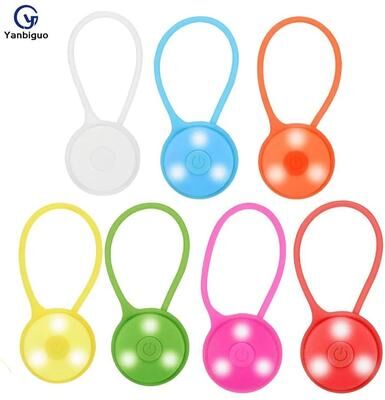
Uplifted Finds Industrial Standard LED Safety Warning Lights (7PCS) Industrial Standard LED Safety Warning Lights (7PCS)Optimize your outdoor safety with this HighPerformance LED Lighting Set, specifically engineered as a specialized tool for nighttime visibility and hazard prevention. This industrialstandard equipment features a flexible silicone framework and...63,97 $*Shipping: 0,00 $Secure redirect to the provider


-
What is nonverbal communication?
Nonverbal communication refers to the transmission of messages and information through nonverbal cues such as body language, facial expressions, gestures, and tone of voice. It is a form of communication that does not involve the use of words, but can still convey important information and emotions. Nonverbal communication can greatly impact how a message is received and understood, and it plays a crucial role in interpersonal interactions and relationships. It is an essential aspect of communication that complements and enhances verbal communication. **
-
Why is nonverbal communication important?
Nonverbal communication is important because it can convey emotions, attitudes, and intentions that may not be expressed through words. It can also enhance or contradict the verbal message, providing additional context and meaning to the conversation. Nonverbal cues such as body language, facial expressions, and tone of voice can help to build rapport, establish trust, and create a deeper connection with others. Additionally, being able to interpret and respond to nonverbal cues is essential for effective communication and understanding in various social and professional settings. **
-
What is verbal and nonverbal communication?
Verbal communication involves the use of words, spoken or written, to convey a message. It includes conversations, speeches, presentations, and written messages. Nonverbal communication, on the other hand, involves the use of gestures, facial expressions, body language, and tone of voice to convey meaning. Both verbal and nonverbal communication are essential in conveying messages effectively and understanding others in various social interactions. **
-
What is meant by nonverbal communication?
Nonverbal communication refers to the transmission of messages or information through non-linguistic means, such as body language, facial expressions, gestures, and tone of voice. It is a form of communication that can convey emotions, attitudes, and intentions without the use of words. Nonverbal communication plays a crucial role in interpersonal interactions and can significantly impact the way a message is perceived and understood. It is an essential aspect of communication that complements verbal communication and can provide additional context and meaning to the spoken words. **
Is laughter verbal or nonverbal communication?
Laughter is considered a form of nonverbal communication. While it is a vocal expression involving the production of sound, laughter is typically spontaneous and often communicates emotions such as joy, amusement, or relief without the use of words. The tone, pitch, and duration of laughter can convey a range of meanings and emotions, making it a powerful nonverbal communication tool. **
What are verbal, nonverbal, and paraverbal communication?
Verbal communication involves the use of spoken or written words to convey a message. Nonverbal communication includes gestures, facial expressions, body language, and other forms of communication that do not involve words. Paraverbal communication refers to the way in which words are spoken, including tone of voice, volume, pitch, and speed of speech, which can greatly impact the message being conveyed. Together, verbal, nonverbal, and paraverbal communication work together to effectively communicate thoughts, feelings, and intentions. **
Top-Angebote
Products related to Nonverbal:
-
Uplift Essentials Industrial Grade Tibialis Anterior Exercise Equipment (Tib Bar) Industrial Grade Tibialis Anterior Exercise Equipment (Tib Bar)"Strengthen the lower body and improve athletic performance with this professionalgrade Tib Bar, engineered to target the oftenneglected tibialis anterior muscle. Acting as a ""divine tool"" for injury prevention and explosive speed, this trainer..."221,97 $*Shipping: 0,00 $Secure redirect to the provider
-
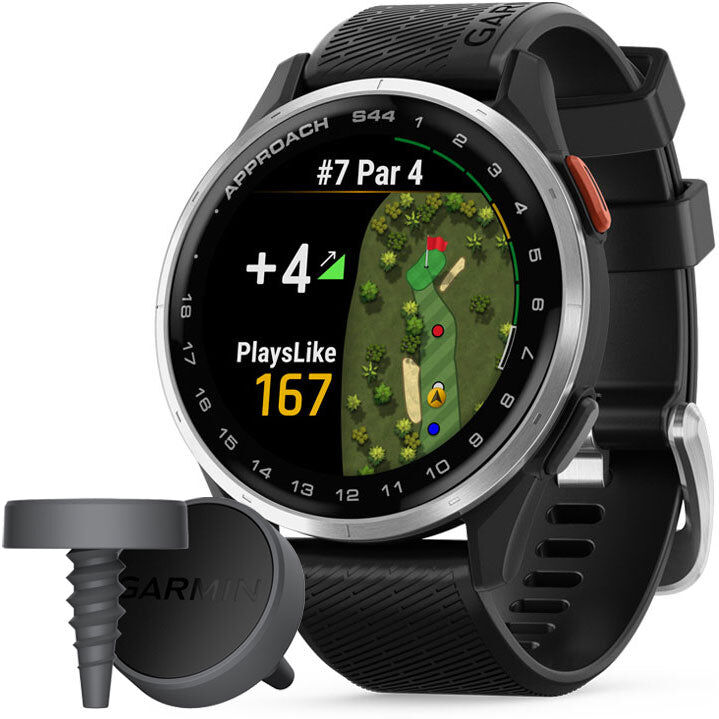
Garmin Approach S44 Golf GPS Smartwatch + CT1 Club TrackersOverview The Garmin Approach S44 Golf GPS Watch with CT1 Club Trackers is a premium golf smartwatch system designed to elevate your game with accurate course data, automatic shot tracking and insightful performance metrics. This stylish and lightweight golf-centric wearable pairs seamlessly with CT1 sensors attached to your club grips, delivering detailed swing and distance analysis for every shot. Built for golfers of all levels, the Approach S44 helps you play smarter and improve with every round. Key Features Garmin Approach S44 GPS golf smartwatch with full-colour display CT1 Club Trackers included for automatic shot detection and tracking Preloaded maps with thousands of global golf courses Distance to front/middle/back of greens and hazards PlaysLike distance, layup/shot guidance and course features Digital scorecard and round summary statistics Fitness-tracking features: steps, heart rate and sleep monitoring Smart notifications when paired to your phone Long battery life designed for full rounds of golf Stylish design suitable for on- and off-course wear Connects with Garmin Golf app for deeper performance analysis Benefits The Garmin Approach S44 Golf GPS Watch with CT1 Club Trackers empowers you to make smarter decisions on the course. Instead of manual scoring or estimations, CT1 sensors automatically record shot distances and club performance, giving you a clear picture of what’s working and where you can improve. The intuitive GPS watch provides precise yardages to greens, hazards and course features, helping you plan smarter approaches and better club selection. With a full-colour display and easy-to-read course maps, you’ll stay informed throughout your round. Additionally, the Approach S44 doubles as a daily smartwatch with fitness tracking and smart notifications, making it versatile for everyday life beyond the fairway. Syncing with the Garmin Golf app lets you analyse trends, compare rounds and share your progress with friends or your golf community. Specifications Table Specification Details Brand Garmin Model Approach S44 Golf GPS Watch Included CT1 Club Trackers (set) Display Full-colour touchscreen GPS Preloaded global golf courses Shot Tracking Automatic with CT1 sensors Green Info Yardage to front/centre/back Hazards Distance & layout guidance Fitness Tracking Heart rate, steps, sleep Notifications Smart alerts (phone-paired) Battery Long life (course & daily use) App Compatibility Garmin Golf app Water Rating Swim/Water-resistant319,97 £*Shipping: 0,00 £Secure redirect to the provider
-
Kings County Tools 7-Piece Caliper and Woodworking Compass Set - Industrial Steel Drafting ToolsThe heavy-duty instruments in the 7-Piece Caliper and Compass Set by Kings County Tools bear little resemblance to the math compass for geometry class you used in school.63,99 $*Shipping: 0,00 $Secure redirect to the provider
-
Uplifted Finds Industrial Standard LED Safety Warning Lights (7PCS) Industrial Standard LED Safety Warning Lights (7PCS)Optimize your outdoor safety with this HighPerformance LED Lighting Set, specifically engineered as a specialized tool for nighttime visibility and hazard prevention. This industrialstandard equipment features a flexible silicone framework and...63,97 $*Shipping: 0,00 $Secure redirect to the provider
-
What are nonverbal autistics?
Nonverbal autistics are individuals on the autism spectrum who have limited or no verbal communication abilities. They may rely on alternative forms of communication such as gestures, pictures, or assistive technology devices to express their needs and thoughts. Nonverbal autistics may have challenges in understanding and using spoken language, but they can still communicate effectively through nonverbal means. It is important to recognize and support their unique communication needs to help them thrive and connect with others. **
-
What characterizes nonverbal communication?
Nonverbal communication encompasses a wide range of behaviors and cues, including body language, facial expressions, gestures, eye contact, posture, and tone of voice. It is a significant aspect of human interaction and can convey emotions, attitudes, and intentions. Nonverbal communication is often spontaneous and can occur simultaneously with verbal communication, adding layers of meaning and nuance to the interaction. It is also influenced by cultural and social norms, making it important to consider the context and cultural background when interpreting nonverbal cues. **
-
What is nonverbal communication?
Nonverbal communication refers to the transmission of messages and information through nonverbal cues such as body language, facial expressions, gestures, and tone of voice. It is a form of communication that does not involve the use of words, but can still convey important information and emotions. Nonverbal communication can greatly impact how a message is received and understood, and it plays a crucial role in interpersonal interactions and relationships. It is an essential aspect of communication that complements and enhances verbal communication. **
-
Why is nonverbal communication important?
Nonverbal communication is important because it can convey emotions, attitudes, and intentions that may not be expressed through words. It can also enhance or contradict the verbal message, providing additional context and meaning to the conversation. Nonverbal cues such as body language, facial expressions, and tone of voice can help to build rapport, establish trust, and create a deeper connection with others. Additionally, being able to interpret and respond to nonverbal cues is essential for effective communication and understanding in various social and professional settings. **
Similar search terms for Nonverbal
-
What is verbal and nonverbal communication?
Verbal communication involves the use of words, spoken or written, to convey a message. It includes conversations, speeches, presentations, and written messages. Nonverbal communication, on the other hand, involves the use of gestures, facial expressions, body language, and tone of voice to convey meaning. Both verbal and nonverbal communication are essential in conveying messages effectively and understanding others in various social interactions. **
-
What is meant by nonverbal communication?
Nonverbal communication refers to the transmission of messages or information through non-linguistic means, such as body language, facial expressions, gestures, and tone of voice. It is a form of communication that can convey emotions, attitudes, and intentions without the use of words. Nonverbal communication plays a crucial role in interpersonal interactions and can significantly impact the way a message is perceived and understood. It is an essential aspect of communication that complements verbal communication and can provide additional context and meaning to the spoken words. **
-
Is laughter verbal or nonverbal communication?
Laughter is considered a form of nonverbal communication. While it is a vocal expression involving the production of sound, laughter is typically spontaneous and often communicates emotions such as joy, amusement, or relief without the use of words. The tone, pitch, and duration of laughter can convey a range of meanings and emotions, making it a powerful nonverbal communication tool. **
-
What are verbal, nonverbal, and paraverbal communication?
Verbal communication involves the use of spoken or written words to convey a message. Nonverbal communication includes gestures, facial expressions, body language, and other forms of communication that do not involve words. Paraverbal communication refers to the way in which words are spoken, including tone of voice, volume, pitch, and speed of speech, which can greatly impact the message being conveyed. Together, verbal, nonverbal, and paraverbal communication work together to effectively communicate thoughts, feelings, and intentions. **
* All prices are inclusive of VAT and, if applicable, plus shipping costs. The offer information is based on the details provided by the respective shop and is updated through automated processes. Real-time updates do not occur, so deviations can occur in individual cases. ** Note: Parts of this content were created by AI.