Buy s44.eu ?
We are moving the project
s44.eu .
Are you interested in purchasing the domain
s44.eu ?
domain@kv-gmbh.de · 0541-91531010
Buy s44.eu ?
Why do mesophytes have small stomata?
Mesophytes have small stomata to regulate water loss through transpiration. By having smaller stomata, mesophytes can control the amount of water vapor that escapes from their leaves, helping them to conserve water in environments where water availability may be limited. Additionally, smaller stomata reduce the risk of desiccation in dry conditions, allowing mesophytes to thrive in a variety of habitats. **
What are guard cells and stomata?
Guard cells are specialized cells found in the epidermis of plant leaves that surround and control the opening and closing of tiny pores called stomata. Stomata are small openings on the surface of leaves that allow for the exchange of gases such as carbon dioxide and oxygen, as well as the release of water vapor during transpiration. Guard cells regulate the opening and closing of stomata in response to environmental factors such as light intensity, humidity, and carbon dioxide levels to help plants maintain proper gas exchange and water balance. **


Similar search terms for Stomata
Top-Angebote
Products related to Stomata:
-
Kings County Tools 7-Piece Caliper and Woodworking Compass Set - Industrial Steel Drafting ToolsThe heavy-duty instruments in the 7-Piece Caliper and Compass Set by Kings County Tools bear little resemblance to the math compass for geometry class you used in school.63,99 $*Shipping: 0,00 $Secure redirect to the provider
-
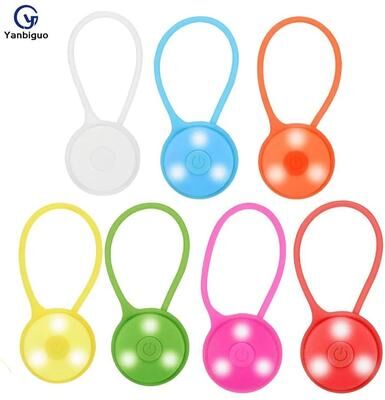
Uplifted Finds Industrial Standard LED Safety Warning Lights (7PCS) Industrial Standard LED Safety Warning Lights (7PCS)Optimize your outdoor safety with this HighPerformance LED Lighting Set, specifically engineered as a specialized tool for nighttime visibility and hazard prevention. This industrialstandard equipment features a flexible silicone framework and...63,97 $*Shipping: 0,00 $Secure redirect to the provider
-
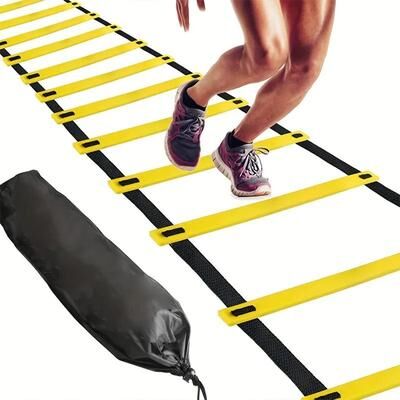
Uplifted Finds Professional Agility Training Ladder Industrial Grade Speed & Flexibility Equipment 8 MElevate your athletic performance with the Agility Training Ladder, a professionalstandard tool designed for highintensity speed training and sports flexibility. Constructed with highdensity nylon straps and durable rungs, this industrialgrade...105,97 $*Shipping: 0,00 $Secure redirect to the provider
-
Uplifted Finds Professional Agility Training Ladder Industrial Grade Speed & Flexibility Equipment 6 MElevate your athletic performance with the Agility Training Ladder, a professionalstandard tool designed for highintensity speed training and sports flexibility. Constructed with highdensity nylon straps and durable rungs, this industrialgrade...85,97 $*Shipping: 0,00 $Secure redirect to the provider


-
Why do stomata close at midday?
Stomata close at midday to prevent excessive water loss through transpiration. During the hottest part of the day, the plant can lose a significant amount of water through open stomata, which can lead to dehydration and wilting. By closing the stomata, the plant can conserve water and maintain its turgidity, allowing it to survive the heat and dry conditions. Additionally, closing the stomata can also help to regulate the exchange of gases, such as carbon dioxide and oxygen, within the plant. **
-
What are stomata in plants in biology?
Stomata are small pores found on the surface of plant leaves and stems that are responsible for gas exchange. They allow for the uptake of carbon dioxide for photosynthesis and the release of oxygen and water vapor. Stomata are surrounded by specialized cells called guard cells, which control the opening and closing of the pores to regulate the exchange of gases and the loss of water through transpiration. This process is crucial for the survival and growth of plants. **
-
Why are the stomata located underneath the leaf?
Stomata are located underneath the leaf to reduce water loss through transpiration. Placing the stomata on the underside of the leaf helps to minimize exposure to direct sunlight and wind, which can increase water loss. Additionally, having the stomata on the underside of the leaf helps to protect them from potential damage and blockage by dust and other particles. This positioning also allows for better control of gas exchange and helps to maintain the internal water balance of the plant. **
-
Are dry plants hydrophilic and do they have sunken stomata?
Dry plants are not hydrophilic, as they do not have a strong affinity for water. In fact, they often have adaptations to conserve water, such as waxy cuticles and reduced stomata. Additionally, dry plants may have sunken stomata, which helps to reduce water loss by creating a barrier between the stomata and the external environment. These adaptations are important for the survival of dry plants in arid environments. **
Why do aquatic plants have their stomata on top, moist plants on top, adaptable plants on the bottom, and dry plants have sunken stomata?
Aquatic plants have their stomata on top to facilitate gas exchange with the surrounding water. Moist plants have stomata on top to prevent excessive water loss and maintain a moist environment for photosynthesis. Adaptable plants have stomata on the bottom to regulate water loss and gas exchange based on environmental conditions. Dry plants have sunken stomata to reduce water loss through evaporation and protect the stomata from drying out in arid conditions. **
Why do water plants have their stomata on top, moist plants on top, adaptable plants on the bottom, and dry plants have sunken stomata?
Water plants have their stomata on top to prevent water loss and allow for efficient gas exchange with the atmosphere. Moist plants have their stomata on top to take advantage of the moist air and reduce water loss. Adaptable plants have their stomata on the bottom to minimize water loss and adapt to varying environmental conditions. Dry plants have sunken stomata to reduce water loss and protect the stomata from drying out in arid conditions. Each type of plant has evolved to have stomata placement that best suits their specific environmental needs. **
Top-Angebote
Products related to Stomata:
-
Uplift Essentials Industrial Grade Tibialis Anterior Exercise Equipment (Tib Bar) Industrial Grade Tibialis Anterior Exercise Equipment (Tib Bar)"Strengthen the lower body and improve athletic performance with this professionalgrade Tib Bar, engineered to target the oftenneglected tibialis anterior muscle. Acting as a ""divine tool"" for injury prevention and explosive speed, this trainer..."221,97 $*Shipping: 0,00 $Secure redirect to the provider
-
Garmin Approach S44 Golf GPS Smartwatch + CT1 Club TrackersOverview The Garmin Approach S44 Golf GPS Watch with CT1 Club Trackers is a premium golf smartwatch system designed to elevate your game with accurate course data, automatic shot tracking and insightful performance metrics. This stylish and lightweight golf-centric wearable pairs seamlessly with CT1 sensors attached to your club grips, delivering detailed swing and distance analysis for every shot. Built for golfers of all levels, the Approach S44 helps you play smarter and improve with every round. Key Features Garmin Approach S44 GPS golf smartwatch with full-colour display CT1 Club Trackers included for automatic shot detection and tracking Preloaded maps with thousands of global golf courses Distance to front/middle/back of greens and hazards PlaysLike distance, layup/shot guidance and course features Digital scorecard and round summary statistics Fitness-tracking features: steps, heart rate and sleep monitoring Smart notifications when paired to your phone Long battery life designed for full rounds of golf Stylish design suitable for on- and off-course wear Connects with Garmin Golf app for deeper performance analysis Benefits The Garmin Approach S44 Golf GPS Watch with CT1 Club Trackers empowers you to make smarter decisions on the course. Instead of manual scoring or estimations, CT1 sensors automatically record shot distances and club performance, giving you a clear picture of what’s working and where you can improve. The intuitive GPS watch provides precise yardages to greens, hazards and course features, helping you plan smarter approaches and better club selection. With a full-colour display and easy-to-read course maps, you’ll stay informed throughout your round. Additionally, the Approach S44 doubles as a daily smartwatch with fitness tracking and smart notifications, making it versatile for everyday life beyond the fairway. Syncing with the Garmin Golf app lets you analyse trends, compare rounds and share your progress with friends or your golf community. Specifications Table Specification Details Brand Garmin Model Approach S44 Golf GPS Watch Included CT1 Club Trackers (set) Display Full-colour touchscreen GPS Preloaded global golf courses Shot Tracking Automatic with CT1 sensors Green Info Yardage to front/centre/back Hazards Distance & layout guidance Fitness Tracking Heart rate, steps, sleep Notifications Smart alerts (phone-paired) Battery Long life (course & daily use) App Compatibility Garmin Golf app Water Rating Swim/Water-resistant319,97 £*Shipping: 0,00 £Secure redirect to the provider
-
Kings County Tools 7-Piece Caliper and Woodworking Compass Set - Industrial Steel Drafting ToolsThe heavy-duty instruments in the 7-Piece Caliper and Compass Set by Kings County Tools bear little resemblance to the math compass for geometry class you used in school.63,99 $*Shipping: 0,00 $Secure redirect to the provider
-
Uplifted Finds Industrial Standard LED Safety Warning Lights (7PCS) Industrial Standard LED Safety Warning Lights (7PCS)Optimize your outdoor safety with this HighPerformance LED Lighting Set, specifically engineered as a specialized tool for nighttime visibility and hazard prevention. This industrialstandard equipment features a flexible silicone framework and...63,97 $*Shipping: 0,00 $Secure redirect to the provider
-
Why do mesophytes have small stomata?
Mesophytes have small stomata to regulate water loss through transpiration. By having smaller stomata, mesophytes can control the amount of water vapor that escapes from their leaves, helping them to conserve water in environments where water availability may be limited. Additionally, smaller stomata reduce the risk of desiccation in dry conditions, allowing mesophytes to thrive in a variety of habitats. **
-
What are guard cells and stomata?
Guard cells are specialized cells found in the epidermis of plant leaves that surround and control the opening and closing of tiny pores called stomata. Stomata are small openings on the surface of leaves that allow for the exchange of gases such as carbon dioxide and oxygen, as well as the release of water vapor during transpiration. Guard cells regulate the opening and closing of stomata in response to environmental factors such as light intensity, humidity, and carbon dioxide levels to help plants maintain proper gas exchange and water balance. **
-
Why do stomata close at midday?
Stomata close at midday to prevent excessive water loss through transpiration. During the hottest part of the day, the plant can lose a significant amount of water through open stomata, which can lead to dehydration and wilting. By closing the stomata, the plant can conserve water and maintain its turgidity, allowing it to survive the heat and dry conditions. Additionally, closing the stomata can also help to regulate the exchange of gases, such as carbon dioxide and oxygen, within the plant. **
-
What are stomata in plants in biology?
Stomata are small pores found on the surface of plant leaves and stems that are responsible for gas exchange. They allow for the uptake of carbon dioxide for photosynthesis and the release of oxygen and water vapor. Stomata are surrounded by specialized cells called guard cells, which control the opening and closing of the pores to regulate the exchange of gases and the loss of water through transpiration. This process is crucial for the survival and growth of plants. **
Similar search terms for Stomata
-
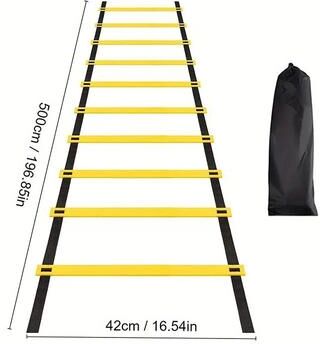
Uplifted Finds Professional Agility Training Ladder Industrial Grade Speed & Flexibility Equipment 8 MElevate your athletic performance with the Agility Training Ladder, a professionalstandard tool designed for highintensity speed training and sports flexibility. Constructed with highdensity nylon straps and durable rungs, this industrialgrade...105,97 $*Shipping: 0,00 $Secure redirect to the provider
-
Uplifted Finds Professional Agility Training Ladder Industrial Grade Speed & Flexibility Equipment 6 MElevate your athletic performance with the Agility Training Ladder, a professionalstandard tool designed for highintensity speed training and sports flexibility. Constructed with highdensity nylon straps and durable rungs, this industrialgrade...85,97 $*Shipping: 0,00 $Secure redirect to the provider
-
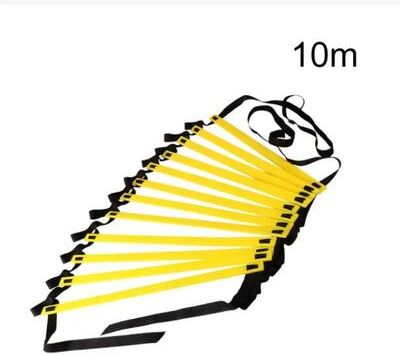
Uplifted Finds Professional Agility Training Ladder Industrial Grade Speed & Flexibility Equipment 10 MElevate your athletic performance with the Agility Training Ladder, a professionalstandard tool designed for highintensity speed training and sports flexibility. Constructed with highdensity nylon straps and durable rungs, this industrialgrade...115,97 $*Shipping: 0,00 $Secure redirect to the provider
-
Uplifted Finds Professional Agility Training Ladder Industrial Grade Speed & Flexibility Equipment 5 MElevate your athletic performance with the Agility Training Ladder, a professionalstandard tool designed for highintensity speed training and sports flexibility. Constructed with highdensity nylon straps and durable rungs, this industrialgrade...75,97 $*Shipping: 0,00 $Secure redirect to the provider
-
Why are the stomata located underneath the leaf?
Stomata are located underneath the leaf to reduce water loss through transpiration. Placing the stomata on the underside of the leaf helps to minimize exposure to direct sunlight and wind, which can increase water loss. Additionally, having the stomata on the underside of the leaf helps to protect them from potential damage and blockage by dust and other particles. This positioning also allows for better control of gas exchange and helps to maintain the internal water balance of the plant. **
-
Are dry plants hydrophilic and do they have sunken stomata?
Dry plants are not hydrophilic, as they do not have a strong affinity for water. In fact, they often have adaptations to conserve water, such as waxy cuticles and reduced stomata. Additionally, dry plants may have sunken stomata, which helps to reduce water loss by creating a barrier between the stomata and the external environment. These adaptations are important for the survival of dry plants in arid environments. **
-
Why do aquatic plants have their stomata on top, moist plants on top, adaptable plants on the bottom, and dry plants have sunken stomata?
Aquatic plants have their stomata on top to facilitate gas exchange with the surrounding water. Moist plants have stomata on top to prevent excessive water loss and maintain a moist environment for photosynthesis. Adaptable plants have stomata on the bottom to regulate water loss and gas exchange based on environmental conditions. Dry plants have sunken stomata to reduce water loss through evaporation and protect the stomata from drying out in arid conditions. **
-
Why do water plants have their stomata on top, moist plants on top, adaptable plants on the bottom, and dry plants have sunken stomata?
Water plants have their stomata on top to prevent water loss and allow for efficient gas exchange with the atmosphere. Moist plants have their stomata on top to take advantage of the moist air and reduce water loss. Adaptable plants have their stomata on the bottom to minimize water loss and adapt to varying environmental conditions. Dry plants have sunken stomata to reduce water loss and protect the stomata from drying out in arid conditions. Each type of plant has evolved to have stomata placement that best suits their specific environmental needs. **
* All prices are inclusive of VAT and, if applicable, plus shipping costs. The offer information is based on the details provided by the respective shop and is updated through automated processes. Real-time updates do not occur, so deviations can occur in individual cases. ** Note: Parts of this content were created by AI.